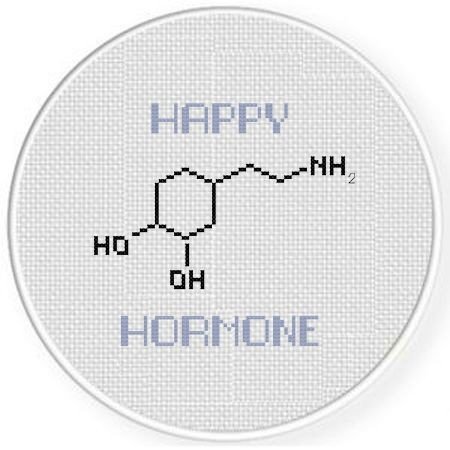
Hormone balance is something that is important for men and women alike, and it is especially important especially for those of us who have a family history of imbalance.Good health is all about striking the right balance between hormones because they govern every function in our body. Even the slightest imbalance can lead to innumerable problems that affect our physical, mental and emotional health. Hormonal imbalance is said to occur when our body produces either too many or too little hormones. It is an extremely delicate balance to maintain which can easily be disrupted with a wrong lifestyle. Stress is one of the major triggers of hormonal imbalance because as cortisol (stress hormone) levels rise, it suppresses the release of several other hormones like thyroxine, DHEA, testosterone and leptin. This means, when the level of one hormone goes up, levels of around 4-5 hormones fall.
Apart from stress and chronic anxiety, other lifestyle factor could be poor gut health and chronic constipation, excess body fat as fat tends to store more estrogen, exposure to chemicals lurking in plastic, cosmetics, pesticides, Household items, compromised liver function, overuse of oral contraceptives and hormonal pills and, most importantly, lack of quality sleep.
Symptoms of hormonal imbalance can range from infertility, irregular periods, loss of libido, vaginal dryness, depression and anxiety, mood swings, hot flashes, constant fatigue, hair loss, hair thinning, acne, breakouts, weigh gain, facial hair. While there are quick fixes like birth control pills or hormonal therapy, getting to the root cause of this imbalance is the only way to heal you thoroughly.
Here’s are 7 ways to get your hormones back on track Holistically
1. Hey sunshine- If you have low vitamin D3, you are likely to have a hormonal imbalance. More than a vitamin, it is a precursor to hormones and it is what your body needs to synthesise hormones. Apart from vitamin D3, micronutrients like zinc, magnesium, selenium and vitamin B6 also support healthy hormone levels.
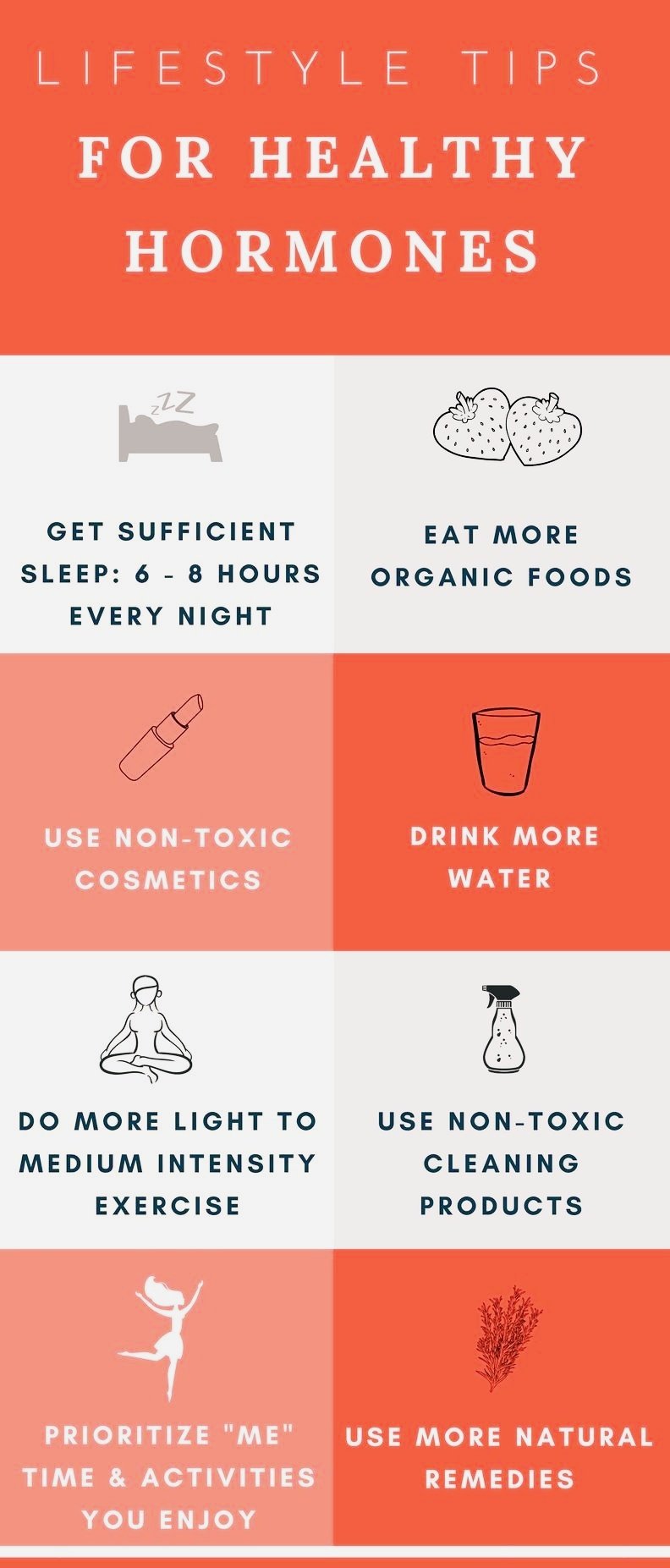
2. Fix your sleep- Hormones recycle and rebalance while you sleep. If you are running on less sleep, chances are that you feel irritated, frustrated and experience food craving. These cravings are driven by the hormone ghrelin- which is a hunger hormone. A rise in gherlin also suppresses leptin- a satiety hormone- so one may find themselves overeating.
3. Adhptogen and essential oils- Nature has abundant foods that can balance hormones naturally. Adaptogenic herbs like ashwagandha, licorice, tulsi, ginseng, maca have the capacity to adjust and adapt to the body’s needs and accordingly suppress or promote a particular function. Specific essential oils live lavender, fennel, sandalwood and thyme too can bring a hormonal balance. A lot of women undergoing the menopausal phase find relief in taking evening primrose oil.
4. A couple of deep breaths- If your hormonal imbalance is due to stress, deep breathing is an easy and free tool to bring those hormones back on track. Deep breathing quickly switches your body from sympathetic state to a parasympathetic state, lowering your cortisol levels and bringing other hormones back in balance.
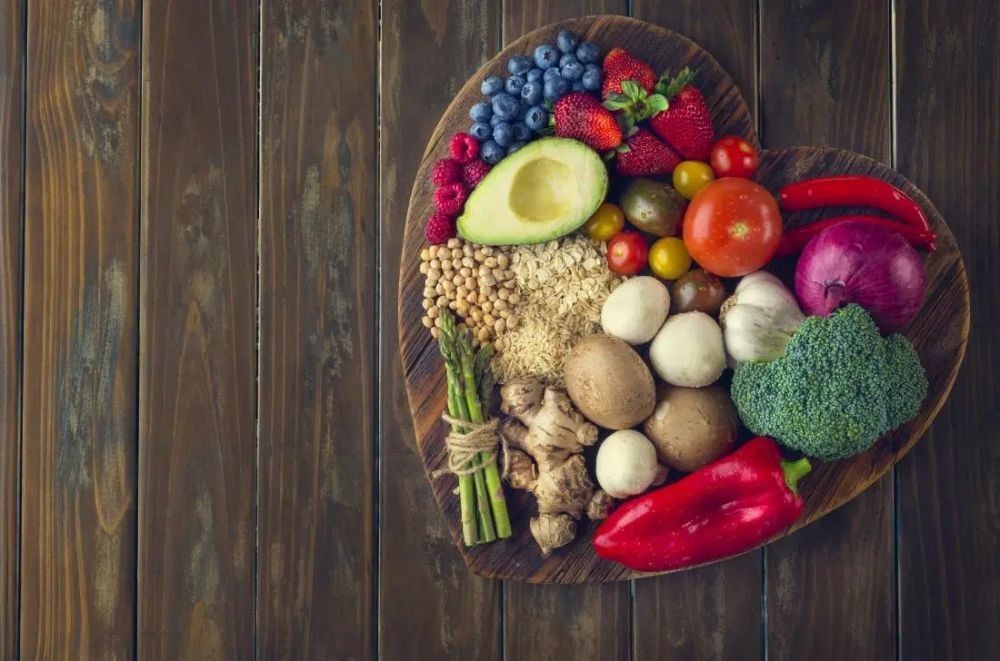
5. Go cruciferous- All sulphur-rich vegetables have a capacity to detox liver and promote healthy estrogen metabolism. So, think broccoli, cabbage, cauliflower.
6. Detoxify your surroundings- There are plenty of estrogen mimicking compounds like BPA present in daily household items like cosmetics, detergents, floor cleaner, perfumes, plastics, non-stick cookware. Avoid their use and choose healthier alternatives. Choose steel, glass or clay pots to store water. Go for organic and non-GMO fruits and vegetables to cut down estrogen exposure.
7. Convention dairy- Today animals are pumped with growth hormones and estrogen in order to bulk up and over produce milk. Choosing organic, hormone free milk and meat slashes the risk of hormone imbalance to a great extent.
I am no doctor. All the things written here are to the best of my knowledge, but none of the content provided in this blog, and in any linked materials, is intended or should be construed as medical advice. If a reader or any other person has a medical concern, he or she should consult with an appropriately-licensed physician.











 healthix